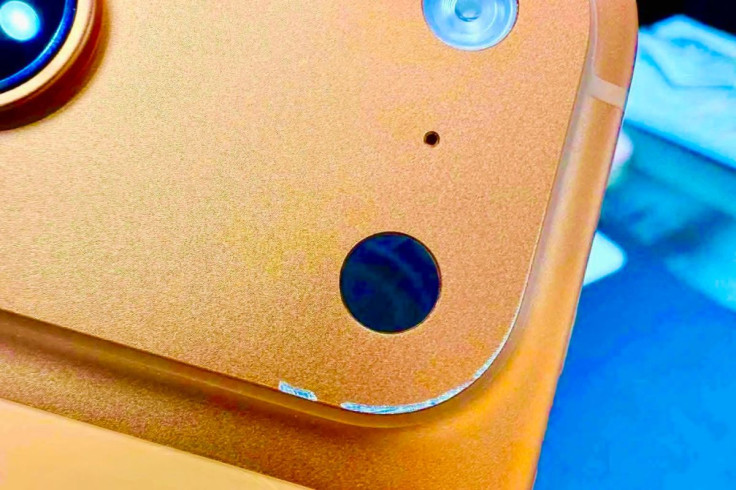
The iPhone Air — Redefining the Future of Smartphone Design


Apple has once again challenged the limits of technology with the iPhone Air, a masterpiece of minimalism and power. This device represents a complete rethinking of the iPhone’s internal structure — slimmer, smarter, and more sustainable than ever before.


A Revolution in Internal Architecture


The iPhone Air is more than an upgrade — it’s a reinvention.

At just 5.64 mm thin, its bottom section contains only the battery, a design decision that redefines space efficiency inside the phone. By isolating the battery, Apple engineers have achieved superior heat management, improved charging speed, and better energy distribution throughout the device.

Every component, from the processor to the antenna, has been restructured to maximize airflow and minimize thickness — setting a new benchmark in smartphone engineering.


Power Meets Efficiency: The A19 Bionic Chip


Under the sleek titanium surface lies the powerful A19 Bionic chip, built on Apple’s cutting-edge 2-nanometer process.
This chip delivers 25% more performance while using less power, making multitasking, gaming, and video editing faster and smoother than ever before.

Coupled with the dual-core thermal regulation system, the iPhone Air stays cool even under heavy workloads — a feature that ensures peak performance without overheating.

Immersive Visuals with Dynamic Retina XDR Display
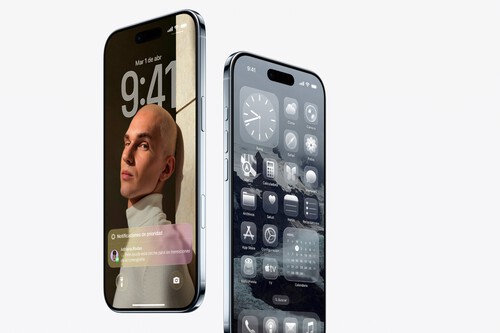


The iPhone Air features a 6.5-inch Dynamic Retina XDR Display that extends from edge to edge, framed by a razor-thin titanium border.
With 120Hz adaptive refresh rate, HDR10+, and perfect color accuracy, visuals feel incredibly fluid and true to life. Whether you’re watching a movie or editing photos, the screen adapts intelligently to your lighting conditions for the best experience possible.


A Camera System That Thinks for You


Apple introduces the LightFusion Camera System, powered by a 48MP primary sensor and an AI Neural Lens Optimizer.
This setup captures sharp, vibrant images even in challenging light conditions. The iPhone Air’s real-time processing engine fine-tunes exposure, contrast, and color balance — allowing every photo to look cinematic without manual editing.

Even videos benefit from smart motion tracking, ensuring stable, professional-grade footage with minimal effort.


Future-Ready Connectivity


The iPhone Air is built for tomorrow’s technology.
With Wi-Fi 7, satellite-enabled emergency calling, and a next-gen Bluetooth system, users experience faster, more reliable connections everywhere. Apple’s adaptive antenna system ensures seamless signal strength whether you’re in a city or off-grid.

Potential Drawbacks and Challenges?


However, such a revolutionary design doesn’t come without challenges. The ultra-thin frame limits battery capacity, which might result in shorter battery life during heavy use. Despite the titanium reinforcement, some users may find the device slightly more fragile and susceptible to bending under pressure. The compact internal structure also makes repairs more complex, potentially increasing maintenance costs. In addition, the unique battery arrangement could affect long-term thermal balance, requiring software-level management to avoid overheating. Finally, the premium materials and advanced engineering are expected to make the iPhone Air one of the most expensive models in Apple’s lineup, raising questions about affordability and accessibility.


Comments

Popular posts from this blog

Artemis II: Humans Are Heading Around the Moon Again

How China Changed the Speed of the Earth’s Rotation?

The Scientist Who Once Failed Chemistry — And Later Won the Nobel Prize in Chemistry