What is Cryptocurrency?
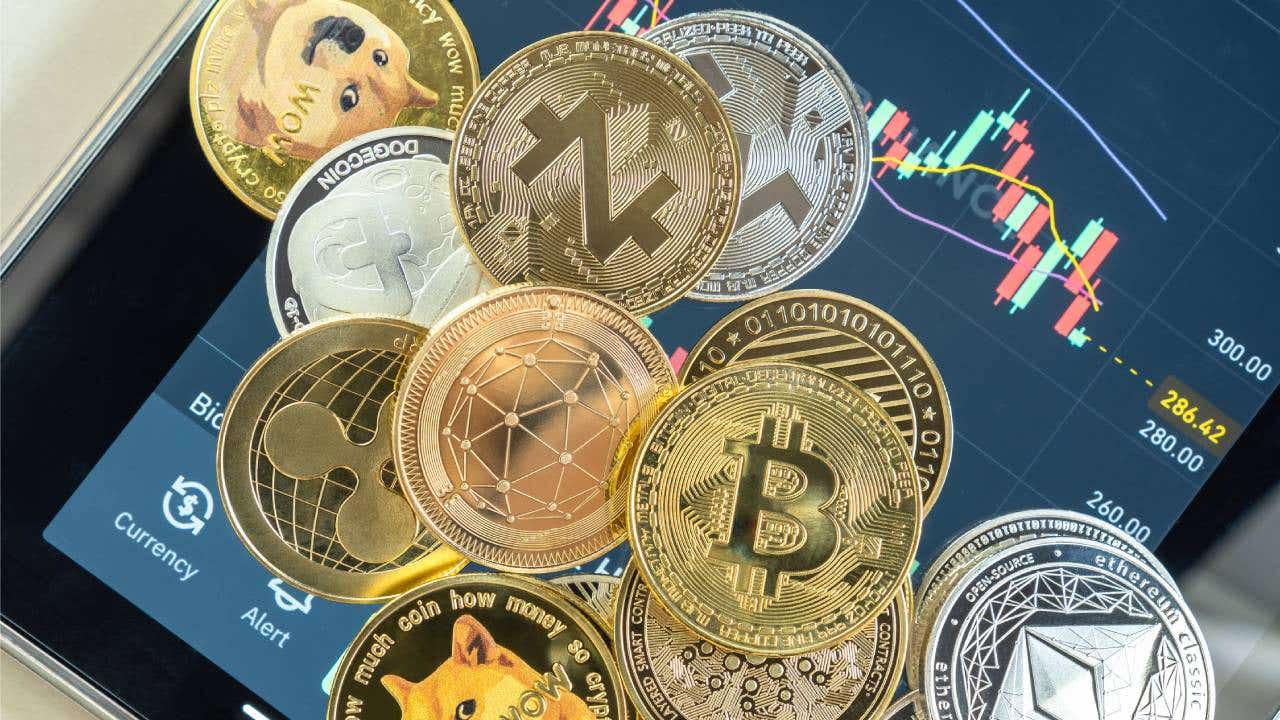
Cryptocurrency is a digital form of money that relies on encryption to secure transactions and control the creation of new units. The word itself comes from two parts: “crypto”, referring to data encryption, and “currency”, meaning a medium of exchange. Unlike traditional money or stocks, cryptocurrencies exist purely in the digital realm. They allow people to invest, trade, and transfer value globally without the need for banks or governments, making them a revolutionary force in finance and technology.
As of 2025, there are over 23,000 different cryptocurrencies in existence, with a combined market capitalization exceeding $2 trillion. This shows how rapidly the market has grown since Bitcoin’s creation in 2009. Cryptocurrencies are not just about trading; they are reshaping how we think about money, contracts, and digital ownership.
Why do we need immediate cryptocurrency regulation law?
What is Bitcoin?


Bitcoin is the very first cryptocurrency and remains the most dominant, holding roughly 55% of the entire crypto market’s value. It was created in 2009 by an anonymous person (or group) known as Satoshi Nakamoto. Each Bitcoin exists as a computer file stored in a digital wallet, which can be an app on your smartphone or computer.
What makes Bitcoin unique is its use of a public ledger called the Blockchain, which records every transaction ever made. This ensures transparency and security, making it almost impossible to manipulate. Over 100 million people worldwide are estimated to own some form of Bitcoin, and major companies, from Tesla to PayPal, now accept it as a payment method.
Bitcoin has inspired thousands of other cryptocurrencies, often called altcoins, each designed for different purposes—from faster payments to decentralized applications. This ecosystem continues to grow and innovate, pushing the boundaries of digital finance and technology.
Cryptocurrency is no longer just an experimental investment; it is shaping the future of money, challenging traditional financial systems, and opening new opportunities for individuals and businesses worldwide.
More info
.jpg)


Comments
Post a Comment